
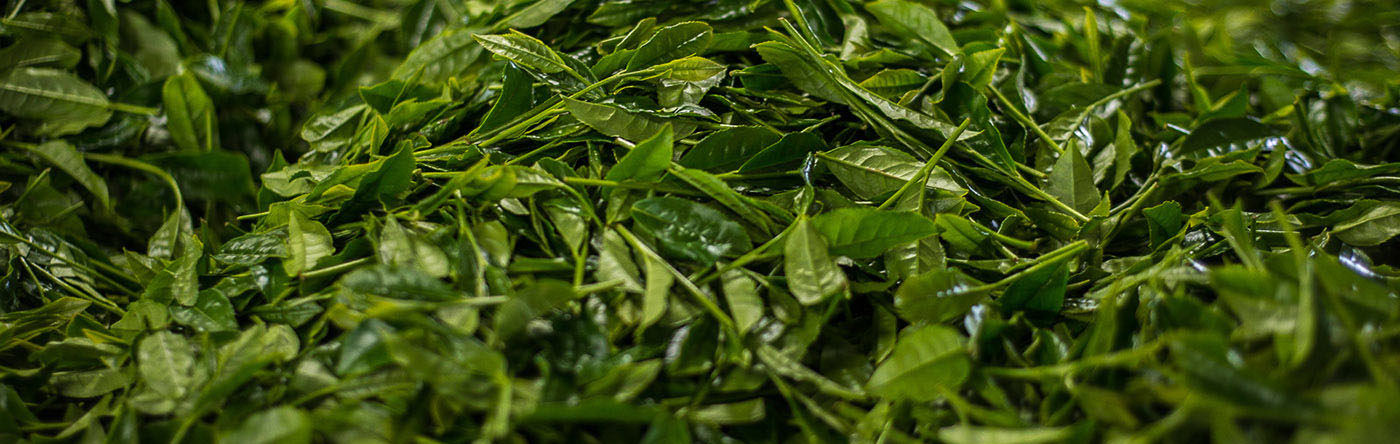
FIRST HARVEST LEAVES FRESHLY PLUCKED
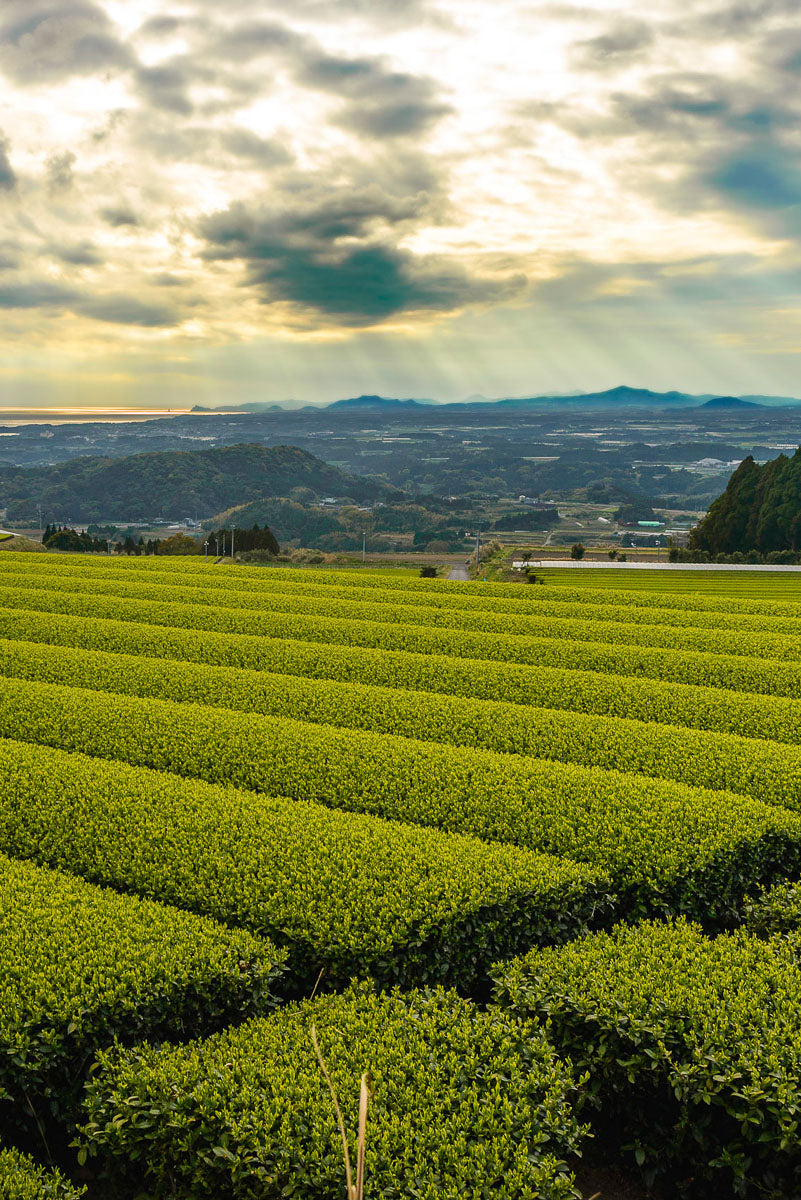
What Makes Shincha Different From Regular Sencha?
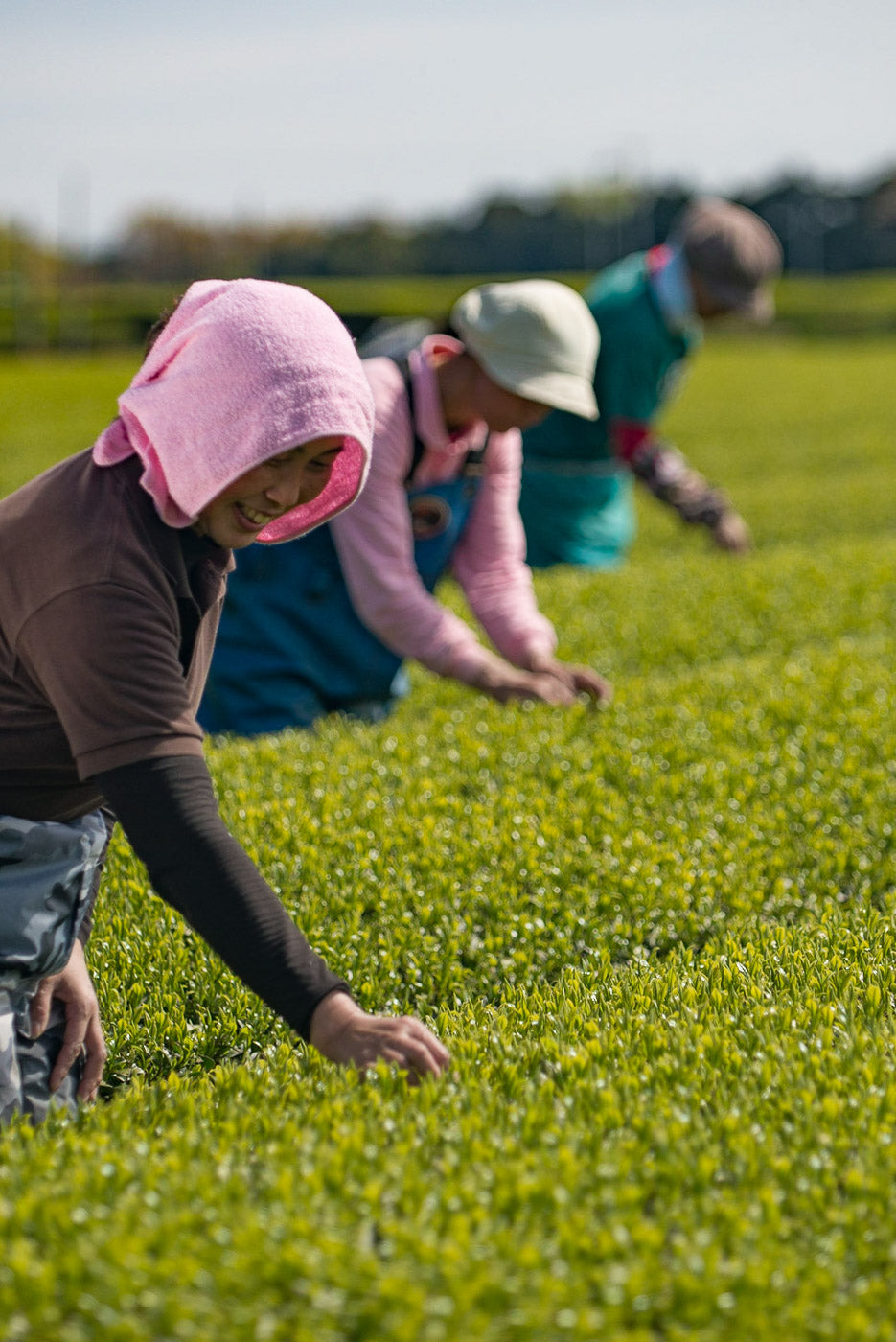
Although shincha is often processed as sencha, the two terms describe different things. Shincha refers specifically to fresh tea from the year's first spring harvest, while sencha is a style of Japanese green tea that can be produced and sold throughout the year.
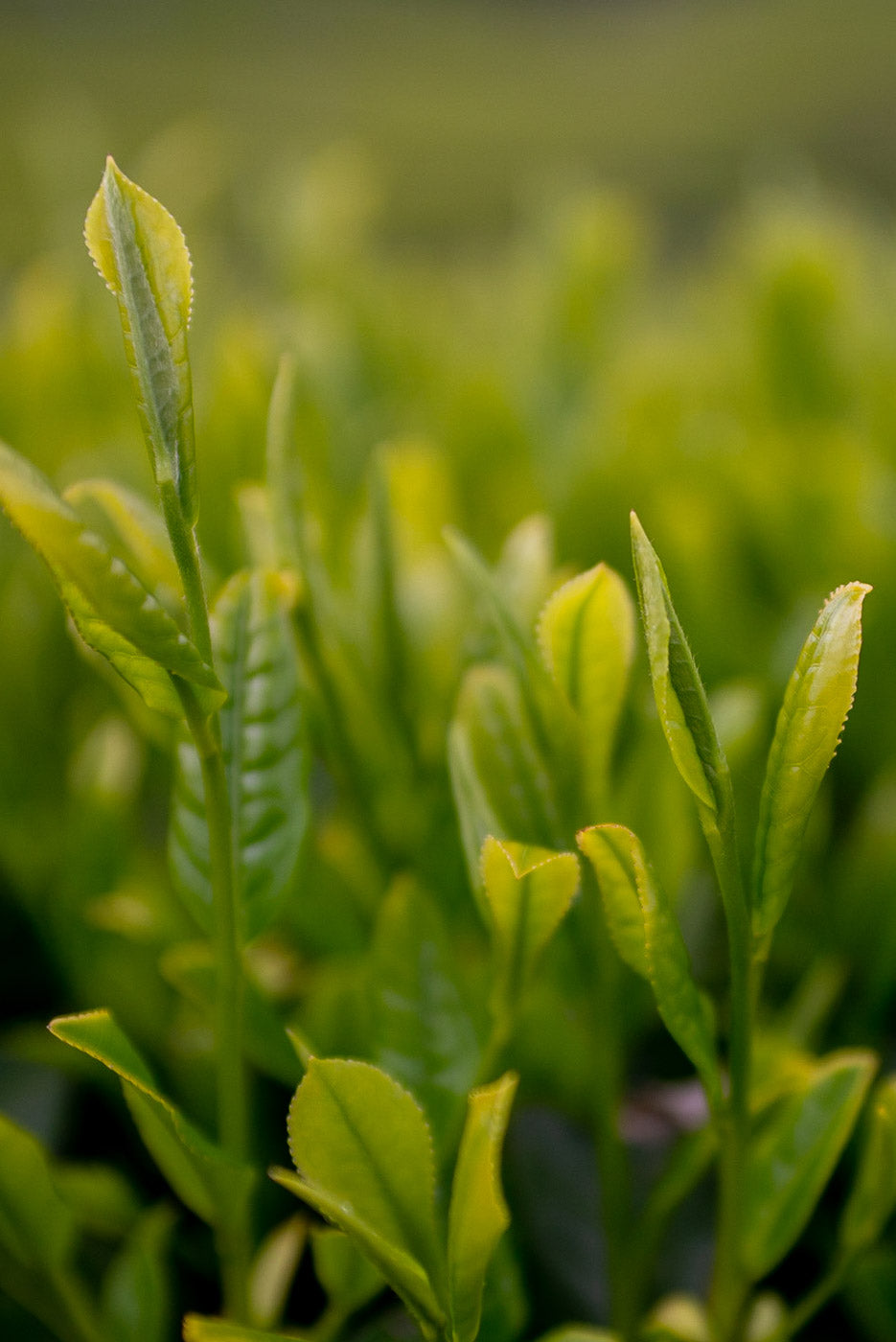
The first buds have developed slowly over winter, accumulating amino acids such as theanine before spring growth begins. As the season progresses, sunlight encourages the conversion of theanine into catechins. This contributes to the characteristic sweetness, umami and relatively gentle astringency of first-harvest tea.
Shincha is also prized for its fleeting fresh-leaf aroma, sometimes called mirume-ka ミルメ香. This young, green character is part of what makes comparing shincha vs sencha so interesting; shincha is all about experiencing the freshness of the new season.
How To Brew Shincha
The delicate character of shincha green tea rewards a gentler approach than you might use for an everyday cup:
- Use around 4–5g of leaves per 100ml of water
- Heat filtered or soft water to around 60–70°C
- Steep for approximately 30–45 seconds
- Re-steep the leaves another 2–3 times, shortening subsequent infusions as needed
Cooler water helps emphasize sweetness and umami while preserving shincha's fresh aroma. Avoid excessively hot water or long steeping, which can draw out more bitterness and overwhelm its delicate character. For another refreshing preparation, learn how to enjoy Japanese green tea this summer.
How To Store Shincha
Freshness is part of the appeal of shincha, so protect the leaves from air, light, heat, moisture and strong odors. Once opened, keep the package tightly sealed in a cool, dark place and aim to enjoy it within a few weeks for the freshest flavor and aroma.
If storing unopened tea in the refrigerator, keep it well sealed and allow the package to return to room temperature before opening it. This helps prevent condensation from forming on the leaves.
FAQs
Shincha means “new tea” and refers to Japanese tea from the year's first spring harvest that is processed and released fresh at the beginning of the season.
Shincha is prized for its fresh aroma, natural sweetness, umami and lively green character. Exact flavors vary depending on cultivar, region, and processing.
Sencha describes a style of Japanese green tea, whereas shincha describes fresh tea from the new season's first harvest. Many shincha teas are sencha, but sencha is available throughout the year and isn't necessarily shincha.
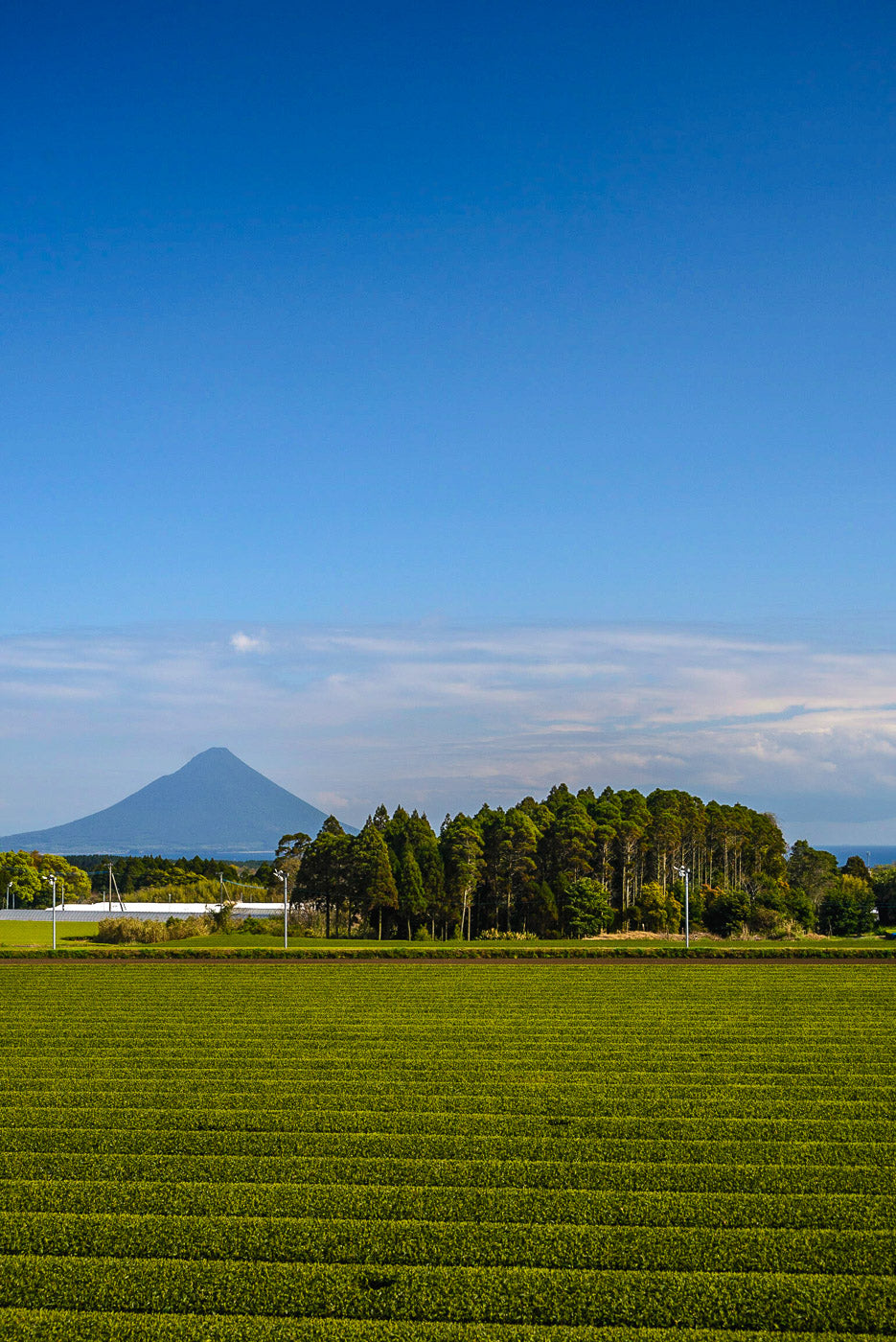
Shincha season generally runs through April and May, although exact harvesting dates vary with region, altitude, cultivar, and weather. Southern Kyushu is among the first Japanese regions to begin harvesting.
Shincha is produced in limited seasonal quantities from prized first-harvest leaves and is released quickly to capture its freshness. However, price also varies considerably according to cultivar, producer, growing method, and processing.
Try 4–5g per 100ml of water at 60–70°C for around 30–45 seconds. Adjust the ratio, temperature, and time to suit the individual tea and your preferred flavor.
Shincha is best enjoyed while its distinctive new-season character is at its freshest. Once opened, keep it airtight and away from heat, light, and moisture and ideally enjoy it within a few weeks.
Not quite. Ichibancha refers broadly to tea from the year's first harvest. Shincha emphasizes the newness of that harvest: first-harvest tea processed and released fresh at the beginning of the season. Therefore, shincha is associated with ichibancha, but not all ichibancha is sold as shincha.
Experience shincha season with IKKYU
Shincha comes only once a year, making every spring harvest an opportunity to discover something new. IKKYU works directly with producers across Kyushu to bring their freshly harvested teas to drinkers around the world, with the origin and producer clearly identified.
Explore Shincha 2026 from our Kyushu farmers. And if you're curious about what roasting can do to Japanese green tea, discover what houjicha is.